Live-Agent CBRN Training
Training with real chemical agents and radioactive sources, under controlled conditions at partner facilities in Europe. It is the step that turns rehearsed procedure into capability people trust under pressure.
What it is
Real Agents, Controlled Conditions
Most CBRN training uses simulants: substances that behave like an agent for detection or decontamination purposes without the hazard. Simulants teach the procedure. They do not reproduce the conditions under which the procedure has to hold: the discipline of working in protective equipment for a sustained period, the consequence of a breach, and the concentration required when an error carries a real cost.
Live-agent training closes that gap. Participants work with genuine chemical agents or radioactive sources in a facility built and licensed for it, following the same procedures they would use on an incident. The purpose is not exposure for its own sake. It is to confirm that detection, protective equipment and decontamination work as taught, in the hands of the people who will use them.
Where
Conducted at Partner Facilities in Europe
Live-agent training requires more than instructors. It requires a site authorised to hold and use controlled chemical, biological and radiological materials, with the containment, monitoring and medical provision that goes with them.
Mission Support delivers this training at partner facilities in Europe. The facility, not Mission Support, holds the authorisations required for work with controlled materials, and the programme runs within the operating limits that apply there.
Safety framework
- Work stays inside the occupational exposure limits that apply at the facility
- Continuous environmental monitoring throughout each exercise
- Dedicated medical oversight on site
- Participant screening before attendance, and a briefed stop condition during it
- Instructor-to-participant ratios set by the exercise, not by class size
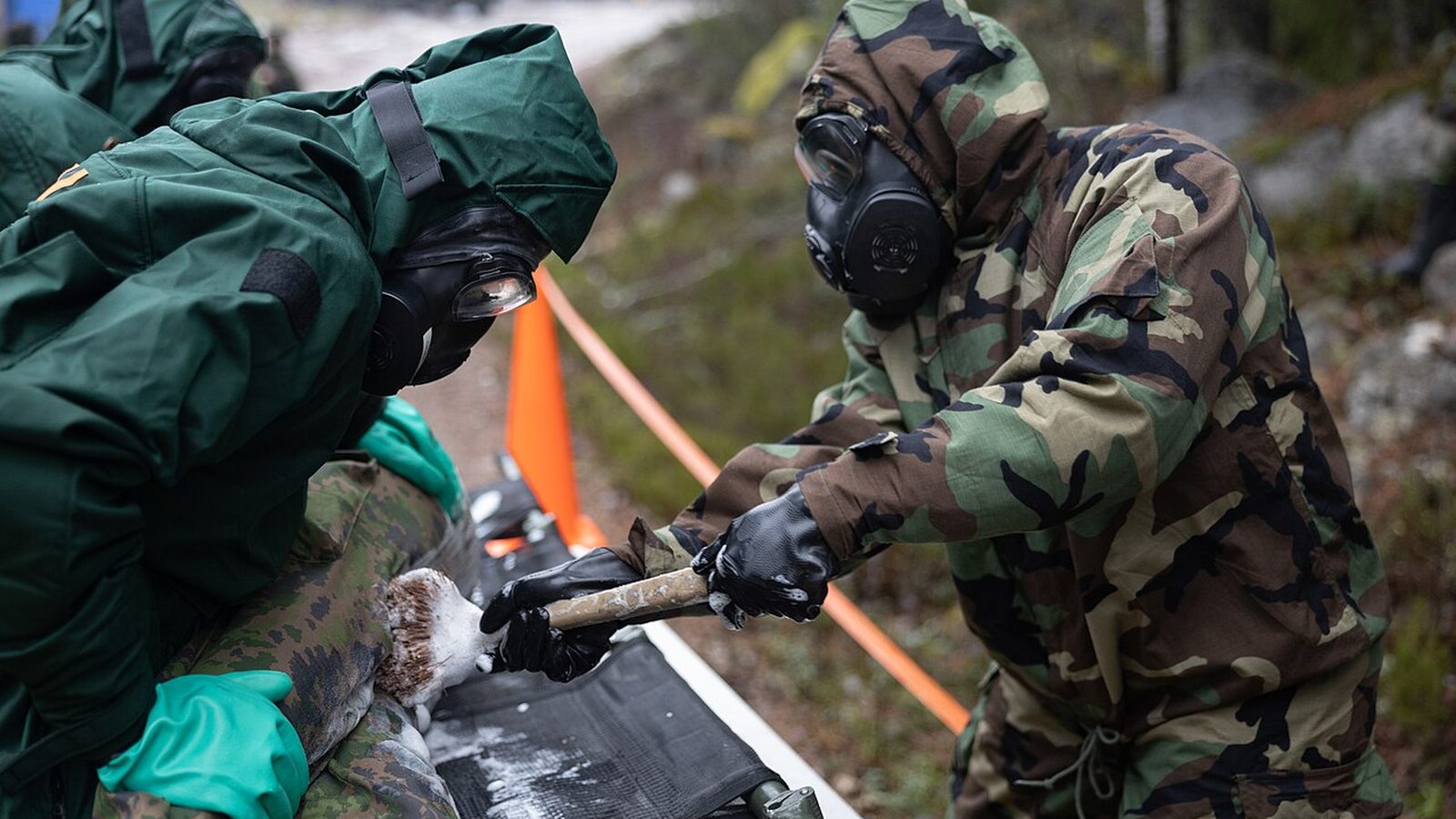
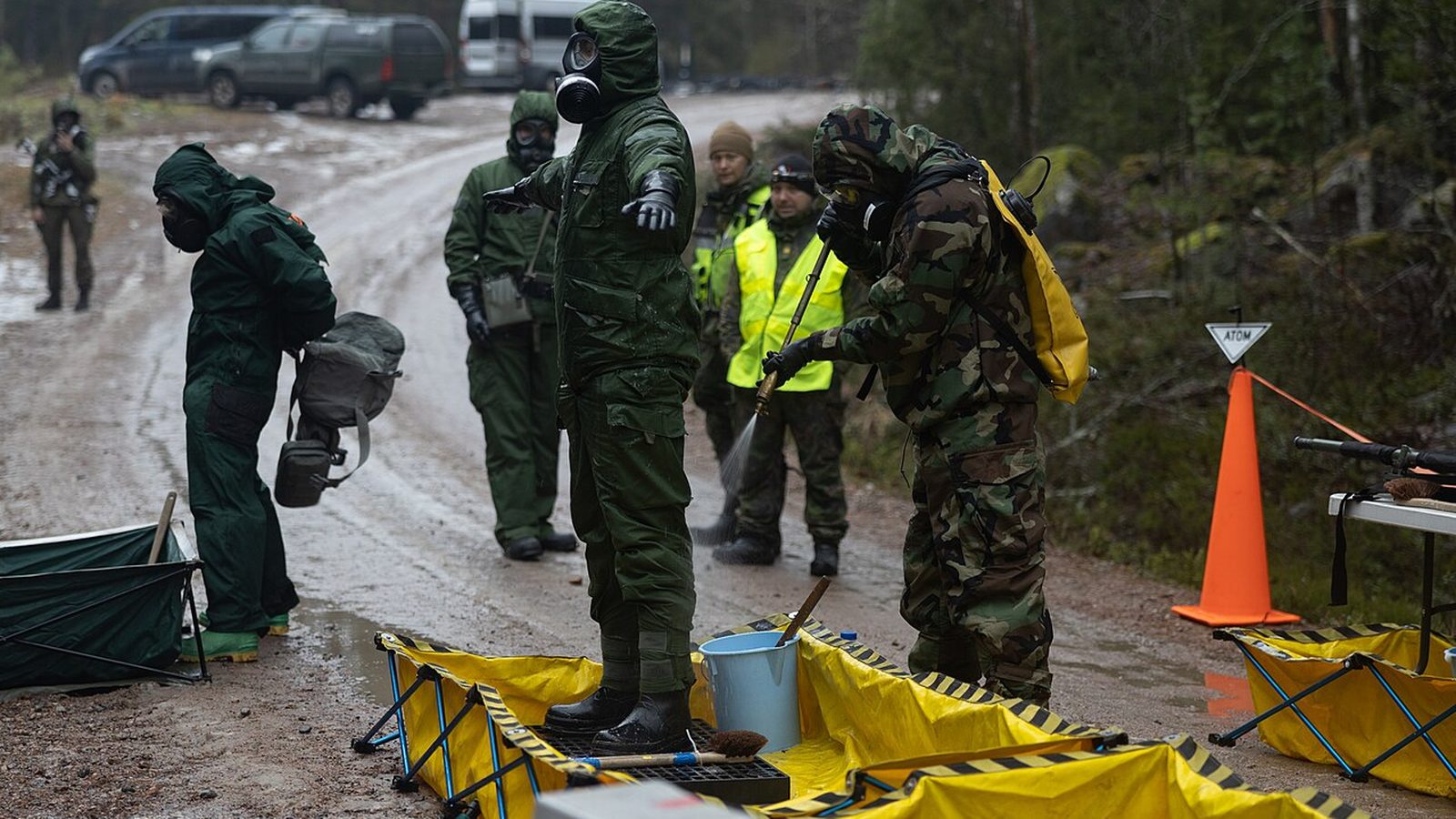
Safety
Nothing happens outside the facility’s limits
Exposure stays inside the limits that apply on site, monitoring runs throughout, medical cover is present, and any participant can stop the exercise.
Where it fits
Part of the Advanced and Specialised Levels
Live-agent work is not an entry-level activity. It sits at the top of the four-level curriculum, once procedure is already reliable.
Level 03
Advanced
Live-agent elements are introduced once participants can operate detection equipment and protective equipment correctly under time pressure. The emphasis is on confirming that what was learned with simulants holds when the hazard is real.
Level 04
Specialised
At Specialised level the live-agent component is scoped with the client: agent classes, scenario complexity and the command decisions being exercised are all set against the mandate the team actually holds.
Who it is for
Teams That Will Face the Real Thing
- Military and police CBRN sub-teams with a response mandate
- Civil defence and fire service HazMat teams
- Governmental specialist teams and their instructors
- Protective teams in high-threat postings, where the first minutes are theirs
Questions
Frequently Asked Questions
Is live-agent training dangerous?
It carries a managed risk rather than none. The work happens at a facility authorised for controlled materials, inside the exposure limits that apply there, with continuous monitoring, medical oversight and a briefed stop condition. Participants are screened before they attend.
Which agents are used?
That depends on the level, the scenario and what the facility is authorised to hold. The scope is agreed before the programme is scheduled and set out in the Training Catalogue and the programme plan.
Can live-agent training be added to a Basic programme?
No. Basic level builds procedure with simulants. Live-agent work follows once detection and protective equipment handling are already reliable, which is Advanced level and above.
Do participants need a medical check?
Yes. Screening before attendance is part of the programme, and anyone who does not meet the criteria takes the simulant-based route instead.